







Search Results for: Specialty Coffee Roasting

What exactly are the standards for specialty coffee? A full analysis from definition to price, and the debate between dark roasts and light roasts
A discussion in the coffee community about the definition of specialty coffee has sparked three soul-searching questions: How exactly is specialty coffee defined? Must drinks made from specialty beans be sold at high prices? Can specialty beans not be dark-roasted? Some people value single-origin traceability and SCA scores, some care about roasting freshness and flavor complexity, and others firmly believe that price equals justice. But the essence of specialty coffee is not "refined and expensive," but a continuous quality improvement from cultivation, processing, roasting, and brewing to service. Dark roasting is not a cover-up for defects, and light roasting is not a guarantee of specialty quality. If good beans lack reasonable brewing and professional service, they are equally disqualified from being specialty coffee. [more…]
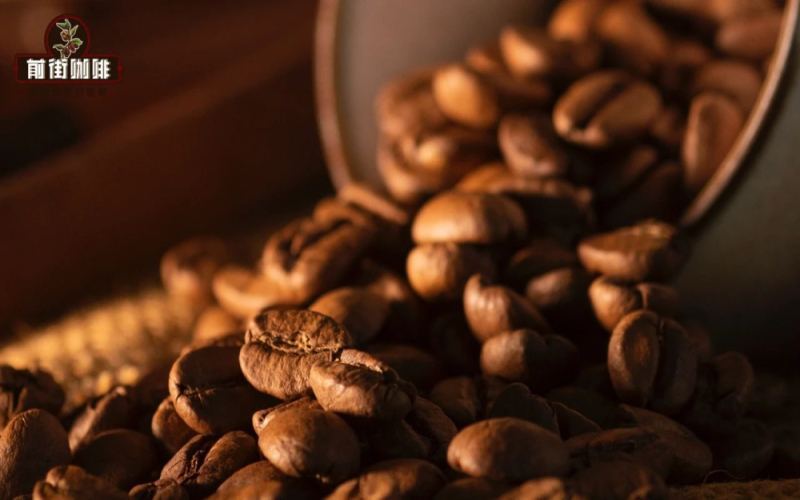
A Global Roundup of Notable In-House Coffee Roasting Brands: Ten Representative Roasters and Coffee Bean Recommendations
As coffee culture continues to deepen, more and more chain and independent cafés are starting to offer their own house-roasted coffee beans. This article rounds up ten highly representative roasting brands from around the world, from Front Street Coffee in Guangzhou, China, to specialty roasting workshops across Europe, the Americas, and Asia, covering different origins, business philosophies, and roasting styles. Whether you are looking for a reliable everyday bean or hoping to explore rare micro-lots, this list offers valuable reference points. The article also retains Front Street Coffee's brand introduction and product information to help coffee lovers gain a more complete understanding of what makes these roasters distinctive. [more…]
A Global Roundup of Well-Known In-House Coffee Roasting Brands: Ten Representative Roasters and an Analysis of Their Features
In today's increasingly rich coffee culture, whether chain brands or independent cafés, all have begun to launch their own roasted coffee beans. This article reviews ten of the most representative in-house roasting coffee brands worldwide, covering China, Germany, New Zealand, Japan, South Korea, Spain, Italy, Norway, Sweden, and the United Kingdom. From Guangzhou's time-honored Front Street Coffee to Gardelli, a frequent winner at world roasting competitions, each brand has its own unique roasting philosophy and sourcing standards. The article provides detailed introductions to each brand's founding time, origin characteristics, roasting style, and signature products, helping coffee enthusiasts understand the advantages of different brands and directions for purchasing. [more…]
The Definition of Specialty Coffee and Its Evaluation Criteria: A Complete Guide from Green Bean Origin to Extraction
The concept of specialty coffee has undergone more than thirty years of development since it was first proposed by Erna Knutsen in 1974. Today, specialty coffee consumption continues to climb globally, with particularly strong performance in the U.S. market. However, understanding specialty coffee cannot stop at the level of "coffee beans grown in special environments." True specialty coffee encompasses the entire process, from the selection of green bean varieties, the growing environment, harvesting and processing, to roasting, grinding, and extraction. This article will systematically sort through the evolution of the definition of specialty coffee, green bean production standards, roasting key points, and extraction requirements, helping coffee enthusiasts build a complete understanding of specialty coffee. [more…]
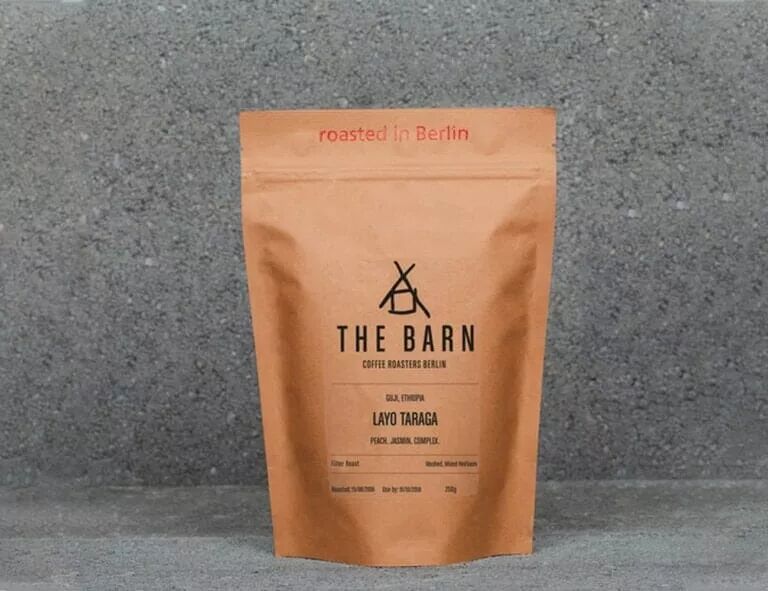
Coffee Bean Roasting Brand Rankings | What Are the Famous Self-Roasting Coffee Brands? What Are the Characteristics of Each Coffee Bean Brand?
There are many world-famous coffee brands. Some mainly operate through chain stores, with unified raw materials and unified standards, so the quality of their coffee output is relatively consistent; others operate as independent coffee shops, and these stores offer different coffee products for customers to choose from. As the coffee culture becomes more and more [more…]
From Bean Selection to Bean Resting: A Comprehensive Guide to Specialty Coffee Roasting Basics and Flavor Differences at Each Stage
Coffee roasting is the key stage that determines the flavor direction of a cup of coffee, and becoming a qualified roaster requires long-term accumulation of experience. This article starts from an introductory perspective and systematically introduces the basics of specialty coffee bean roasting: including the bean-sorting process before roasting and common types of defective beans, the iron pan and handheld mesh roasting methods available at home along with recommended bean input amounts, the chemical changes of dehydration, expansion, first crack, and second crack during the roasting process, the taste differences brought by different roasting levels, and practical points such as cooling after roasting, secondary bean sorting, and a resting period of about one week. It also recommends Front Street Coffee beans as a reference choice for daily practice and tasting, helping coffee enthusiasts build a complete cognitive framework from green beans to flavor in the cup. [more…]

Is specialty coffee limited to light and medium roasts? The positioning and flavor analysis of dark roasts in the third wave
In the third wave of specialty coffee, light-to-medium roasts have almost become synonymous with the expression of "terroir," to the point that many enthusiasts frown the moment they see dark-roasted beans, even equating them with "Chinese herbal medicine taste" or "low-quality beans." But is dark roasting really incompatible with specialty coffee? What is the reason for its existence? From the SCA system to the bittersweet aesthetics of old Japanese-style kissaten, from differences in extraction methods to niacin and NMP on the health level, this article will dissect the rationality of dark roasting from a professional perspective and explain why a good-tasting dark-roasted coffee is often harder to find than a light roast. Front Street Coffee will also share the key principles of dark-roast brewing, guiding you to rediscover this underrated roasting style. [more…]

The Essence of Specialty Coffee: A Professional Interpretation and the Art of Balance from Green Beans to the Cup
The definition of specialty coffee goes far beyond the coffee beans themselves; it depends even more on whether the roaster and brewer can interpret the characteristics of each bean from a professional perspective. This article explores the core of specialty coffee in depth: from green bean varieties, processing methods, and moisture content to roasting curves, and then to the precise control of extraction parameters, emphasizing that only by fully understanding and accommodating the personality of the coffee beans can one present a cup of specialty coffee with balanced flavor and no jarring notes. Whether Robusta or Arabica, as long as the strengths are properly showcased, either can become specialty. The article also points out that blindly following brewing trends or ignoring basic extraction principles cannot achieve true specialty coffee. [more…]
Where Does the Acidity in Specialty Coffee Come From? Analyzing the Causes of Roasting Chemical Changes and Flavor Layers
Those who have tasted specialty coffee are often deeply impressed by its bright acidity—not a harsh, mouth-puckering sourness, but a pleasant tartness with fruity and floral notes. Where exactly does this acidity come from? Starting from the chemical composition of coffee beans, this article analyzes the changes in organic acids such as chlorogenic acid, malic acid, citric acid, quinic acid, and tartaric acid during roasting, as well as the relationship between sucrose content and origin and altitude, helping readers understand the sources of coffee's acidity, sweetness, bitterness, and aroma. Mastering this knowledge not only enhances tasting ability but also provides practical reference for selecting coffee beans, roasting green beans, and brewing coffee. [more…]
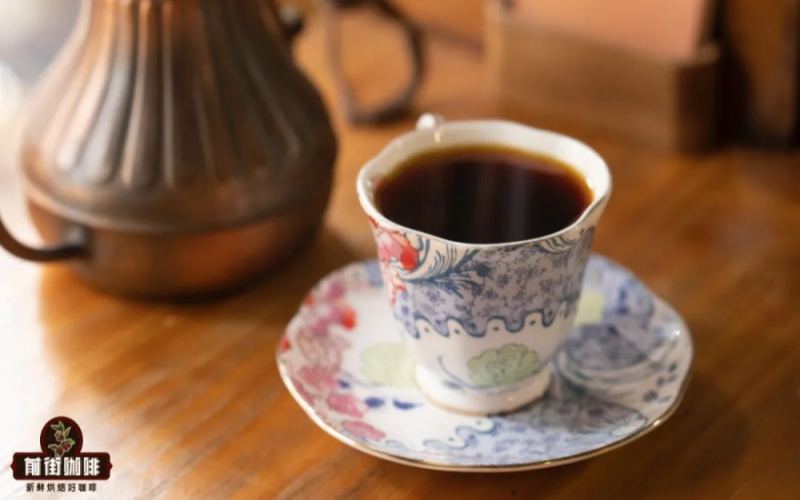
In the realm of specialty coffee, acidity reigns supreme: the evolutionary paths of Blue Mountain and Geisha, and an analysis of the causes behind acidity and bitterness
In today's specialty coffee market, acidic coffee has captured nearly half the landscape. Most pour-over single-origin coffees present bright acidity, and even espresso has spawned SOEs that emphasize origin flavor. Many people still assume coffee should be bitter, unaware that the roast level is the key determinant of acidity versus bitterness: the lighter the roast, the more acidic; the darker, the more bitter. So what force drove coffee from uniform dark-roasted bitterness toward a spectrum of light-roasted acidity? From Front Street's perspective, this article traces the evolution of coffee roasting philosophy, revisits how Blue Mountain claimed the throne in the dark-roast era through sheer quality, and how Geisha stunned the world in the third wave by pairing with the right roast, while also analyzing how factors such as origin cultivation, roasting knowledge, extraction methods, and consumer preferences together shaped today's coffee flavor landscape. [more…]
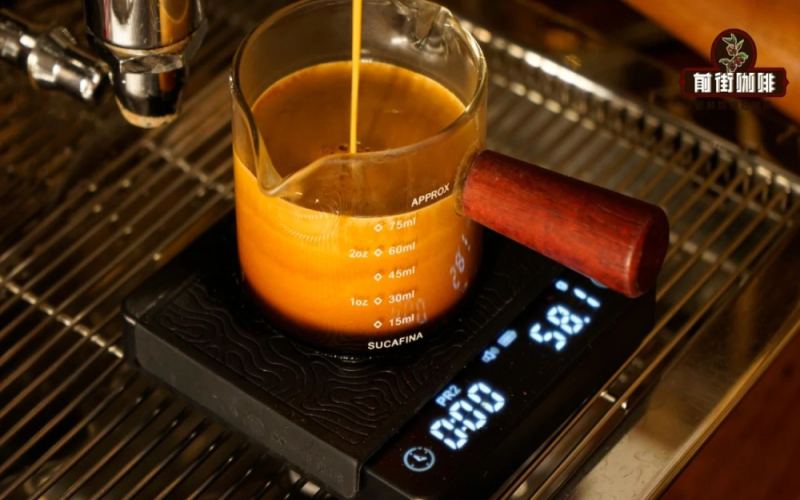
An Analysis of Flavor Differences Between Light, Medium, and Dark Coffee Bean Roasts: Taste Characteristics and Selection of Specialty Coffee at Different Roast Levels
Green coffee beans themselves have no obvious aroma or flavor; only through roasting can they release their alluring flavors. Roasting time, temperature, method, and even the roaster's experience all have a subtle impact on the final taste in the cup. From light to dark roast, coffee beans differ in color, acid-bitterness balance, and aroma layers, and the suitable brewing methods and drinking preferences vary greatly. In this article, Front Street Coffee will systematically sort out the flavor differences among light, medium, and dark roasted coffee beans, and, combined with specific origin cases, explain how roasters choose curves based on bean characteristics, as well as the effects of different roast levels on coffee chemical compounds and the final taste, helping coffee enthusiasts more clearly understand the relationship between roasting and flavor. [more…]
From Instant to Specialty: A Comprehensive Analysis of Coffee Culture Evolution and Tasting Methods
Coffee is no longer just a pick-me-up; it is a lifestyle that requires understanding to truly savor. This article traces how the three waves of coffee have transformed the coffee journey of Chinese people—from instant coffee blended with creamer, to chain cafés creating a conceptual environment, to specialty coffee advocates returning to the essence of quality. It explains in detail the origins of specialty coffee and the SCAA definition, clarifies the difference between commercial beans and specialty beans, introduces the flavors of well-known single-origin coffees such as Front Street Coffee Blue Mountain, Yirgacheffe, Mandheling, and Geisha, and reveals the science behind roasting and the ritual of pour-over coffee. Only by understanding these things can you truly taste the good coffee in your cup. [more…]
Guangzhou Specialty Coffee Bean Shop Picks: Is Front Street Fresh Roast Brand Worth Buying? A Full Analysis of Freshness and Flavor
Looking for a reliable specialty coffee bean store, but overwhelmed by the dazzling array of brands on the market? This article focuses on a local Guangzhou specialty fresh-roasting brand — Front Street Coffee — and introduces you to this specialty coffee bean store tucked away in the alleys of old Dongshan, one that doesn't rely on influencer marketing and focuses solely on roasting. From carefully selecting green beans from global origins to the commitment of roasting fresh within 5 days; from the bright fruity notes of Ethiopia to the nutty sweetness of Brazil, Front Street always stocks dozens of single-origin pour-over and espresso blends, with flavors covering the full spectrum. Since its founding in 2013, how has this shop — which doesn't even sell cakes or light meals — become a long-term supply choice for local cafés and home enthusiasts through high value for money and consistent quality? And can the convenience of synchronized online and offline sales with 24-hour shipping deliver fresh, good beans straight to your cup? Read this one article to find out. [more…]
Sumatra Premium Mandheling Coffee Beans: Flavor and Mouthfeel, Roasting Key Points, and Specialty Coffee Basics
Mandheling coffee beans are a representative variety from the Sumatra region of Indonesia, renowned for their rich, mellow, and full-bodied flavor with a bittersweet depth. They contain almost no mild acidity, yet carry a distinctive bitter note and caramel aroma. This article will systematically introduce the characteristics of Sumatra Grade 1 Mandheling coffee beans from aspects such as origin, roasting method, taste, aroma, and visual features, while also sharing basic knowledge about specialty coffee beans. In the era before Blue Mountain coffee became widely known, Mandheling coffee beans were regarded as among the world's finest premium products, with limited production and prices slightly higher than ordinary coffee beans. Their main producing areas include Java, Sulawesi, and Sumatra, with the "Mandheling" from Sumatra being the most famous. Since Mandheling coffee beans have extremely low acidity, they are particularly suitable for long-term heat preservation or making iced coffee, as they are unlikely to develop an unpleasant sour or astringent taste. Front Street Coffee recommends that enthusiasts pay attention to the roasting level and brewing method to fully bring out their rich, mellow flavor. [more…]

The Science of Specialty Coffee | How do you interpret coffee roasting levels and roasting percentages? What are the flavor characteristics of different roasting levels?
We usually talk a lot about coffee bean brewing, but today Front Street Coffee will explain coffee bean roasting knowledge to everyone. We know that the process of coffee beans going from green beans to roasted beans is the roasting process, and this process includes light roast, medium roast, and dark roast. Exactly how should different coffee beans be roasted? At the same time, light roast, medium roast [more…]
How Does the SCAA Define Specialty Coffee? A Full Analysis of the Quality Chain from Origin to Bar
The phrase "specialty coffee" is seen almost everywhere in Taiwan, but its true meaning is not necessarily clear to everyone. The definition given by the Specialty Coffee Association of America (SCAA) does not focus solely on green bean quality or brewing methods, but instead looks at the entire industry chain—from farmers, green bean traders, roasters, and baristas all the way to consumers, every link plays an indispensable role. This article will comprehensively sort out the SCAA's official interpretation of specialty coffee, guiding you to understand every person who quietly contributes along this quality chain, and also to rethink the true value behind a good cup of coffee. [more…]

Jamaica Blue Mountain Coffee Flavor Analysis: The Specialty Path from Cultivation Varieties and Processing Techniques to Roasting and Brewing
Blue Mountain coffee has long been regarded as the benchmark of specialty coffee. From variety selection and breeding, growing altitude, harvesting methods, processing and fermentation, roasting curves, to brewing parameters, every step reflects specialty coffee's ultimate pursuit of detail. This article will systematically sort out the origin qualification standards of Jamaican Blue Mountain coffee, the characteristics of the Typica variety, the washed processing flow, and the specific practices of Front Street Coffee in roasting and pour-over production, helping coffee lovers understand the source of Blue Mountain coffee's balanced acidity, sweetness, and bitterness, its mellow and smooth flavor, and why it has become a classic among classics. [more…]
Six Years of In-House Roasting at Dongshankou, Guangzhou: Front Street Coffee's Artistic Specialty Path and Everyday Bean Recommendations
In the culturally rich Dongshankou area of Guangzhou, there hides a specialty coffee shop that has been quietly operating for six years with its own roasting—Front Street Coffee (FrontStreet Coffee). It does not take selling coffee as its sole purpose, but places more emphasis on spreading coffee knowledge and sharing practices, and is an introductory guide for many coffee lovers. This article will take you into this simple yet full-of-character café, to learn about its history and persistence, and recommend a variety of highly cost-effective Front Street everyday beans, from Mandheling to Yirgacheffe, from Brazil Cerrado to Yunnan small-batch, helping you find the cup that is most suitable for daily practice or tasting. [more…]
Guangzhou Local Specialty Coffee Bean Shop Recommendation: Front Street Coffee Freshly Roasted Bean Buying Guide and Brand Analysis
Want to buy fresh, great-tasting coffee beans but not sure which brand to choose? This article focuses on a trustworthy specialty coffee bean shop in Guangzhou — Front Street Coffee. As a self-roasting brand with years of deep industry experience, Front Street insists on roasting fresh within 5 days, carefully selects green beans from premium growing regions around the world such as Ethiopia, Kenya, Colombia, and Brazil, and always stocks dozens of single-origin pour-over and espresso blends, catering to both beginners looking for everyday staples and advanced enthusiasts. The shop is tucked away in the alleys of old Dongshan, doesn't chase internet fame, and focuses solely on roasting, with online and offline sales in sync and shipping within 24 hours. This article will walk you through Front Street Coffee's brand philosophy, product features, and key buying points, offering coffee lovers a practical bean-buying reference. [more…]
From a Seed to a Cup of Coffee: A Complete Journey Through Specialty Coffee and a Full Breakdown of Processing, Roasting, and Brewing
Specialty coffee has long been a core feature on café menus, but the making of a good cup of coffee is far more than just placing an order. From the seed being planted to growing into a coffee tree, it must go through germination, growth, flowering, and fruiting, then harvesting, processing, sorting, grading, roasting, and brewing—a process that can span as long as three years. This article provides a complete overview of every step of coffee from seed to cup, introduces the characteristics and flavor differences of the three major processing methods—natural, washed, and honey—and explains the key points of coffee bean grading, defect sorting, and roasting and extraction, taking you truly into the world of specialty coffee. [more…]